
If you’re planning a home renovation or interior design project, the choice of wall finish can make or break your space – not just in terms of aesthetics, but also in sustainability, durability, and indoor air quality.
Two contenders dominate the conversation: paint and plaster. While paint is quick and budget-friendly, plaster – especially natural lime plaster, Tadelakt, and microcement – is winning over designers and eco-conscious homeowners for its timeless beauty, long life span, and planet-friendly composition.
In this guide, we compare paint vs plaster across eco-friendliness, durability, maintenance, cost, and design potential so you can make the best choice for your walls – and the planet.
1. Understanding the Basics: Paint vs Plaster
Paint
- A liquid coating applied to surfaces to add color and protection.
- Available in water-based latex, acrylic, oil-based, and low-VOC formulas.
- Offers thousands of colors and a variety of sheens, from matte to high gloss.
Plaster
- A paste-like material applied to walls for a smooth or textured surface.
- Includes lime plaster, Venetian plaster, gypsum plaster, Tadelakt (waterproof Moroccan plaster), and microcement.
- Known for natural, eco-friendly ingredients and artisanal finishes.
2. Eco-Friendliness: Which Is Better for the Planet?
Plaster’s Green Edge
- Natural Composition – Lime plaster, clay plaster, and Tadelakt are made from natural minerals, meaning they are non-toxic and biodegradable.
- Carbon Absorption – Lime plaster absorbs CO₂ from the air as it cures, making it carbon-negative over time.
- Healthy Indoor Air – Zero VOC emissions mean cleaner, safer breathing environments.
- Long Life Span – Can last 50–100 years, reducing landfill waste.
Paint’s Environmental Impact
- Conventional Paint – Often contains VOCs, petrochemicals, and synthetic resins that can harm indoor and outdoor air quality.
- Eco Paints – Low-VOC and VOC-free paints reduce chemical emissions but still require more frequent reapplication.
- Waste Issues – Leftover paint is hazardous waste and must be disposed of carefully.
🏆 Winner: Plaster, especially natural lime plaster and Tadelakt, is the clear choice for eco-conscious interiors.
3. Durability & Maintenance: Which Lasts Longer?
Plaster Durability
- Exceptional Lifespan – High-quality plaster can last decades with minimal upkeep.
- Moisture Resistance – Tadelakt and microcement are waterproof, ideal for bathrooms and kitchens.
- Resists Mold & Bacteria – Naturally antimicrobial.
- Repair-Friendly – Small cracks can be patched seamlessly.
Paint Durability
- Shorter Life – Typically lasts 5–10 years before peeling, fading, or scuffing.
- Vulnerable to Humidity – Can blister or peel without proper sealing.
- Higher Maintenance – Requires more frequent touch-ups.
🏆 Winner: Plaster – more resilient, less maintenance, better long-term value.
4. Aesthetics: Texture vs Flat Color
Paint – Smooth, flat, or semi-gloss finishes with endless color options. Perfect for frequent style changes.
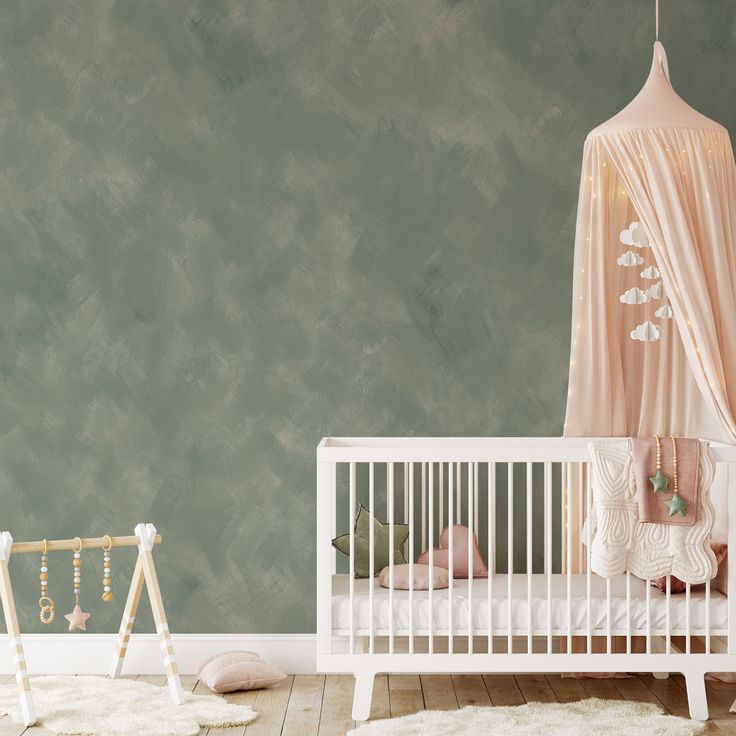
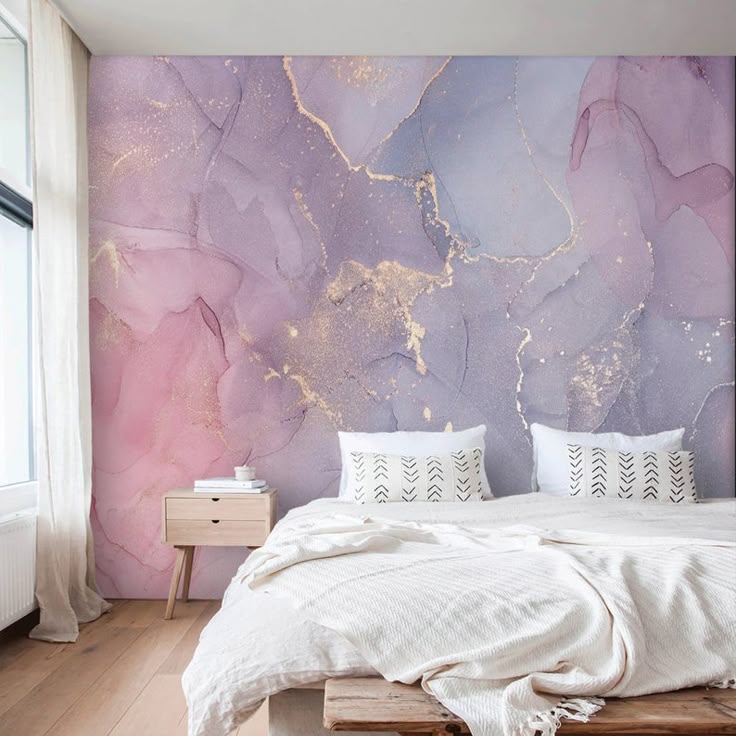
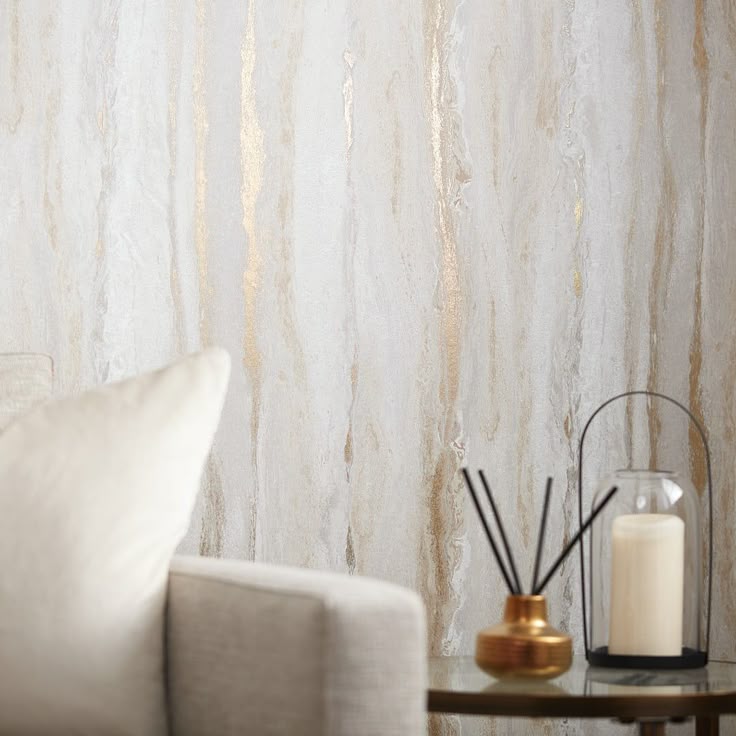
Plaster – Rich depth, texture, and movement that can’t be replicated with paint. Lime plaster adds a natural, matte elegance, while polished Tadelakt brings a soft, reflective glow.
Design Insight: Pair lime plaster with earthy tones for a biophilic interior or microcement for a modern, minimalist aesthetic.
5. Cost Analysis: Short-Term vs Long-Term
| Factor | Paint | Plaster |
|---|---|---|
| Upfront Cost | Low – $2–$5 per m² | Higher – $50–$100 per m² |
| Life Span | 5–10 years | 50+ years |
| Long-Term Value | Higher recurring cost | More cost-effective over decades |
6. Health Benefits & Indoor Comfort
Plaster – Breathable, regulates humidity naturally, prevents condensation, and improves comfort levels.
Paint – Even eco-friendly versions may off-gas slightly during curing.
7. When to Choose Paint vs Plaster
Go for Paint if:
- You’re on a tight budget.
- You want to update wall colors often.
- The project is temporary or short-term.
Go for Plaster if:
- You want a long-term, eco-friendly solution.
- You value textural depth and artisanal finishes.
- You’re designing a space for high durability and low maintenance.
8. Final Takeaway
When it comes to eco-friendliness, durability, and timeless style, plaster – especially lime plaster, Tadelakt, and microcement – outperforms paint.
Paint remains the go-to for budget projects and quick updates, but if you want a wall finish that’s healthy, beautiful, and built to last for decades, plaster is the smarter investment.
Pro Tip from Decora A&C: Explore our Lime Plaster Finishes, Tadelakt Waterproof Plaster, and Microcement Surfaces to create interiors that are sustainable, stylish, and maintenance-free for decades.
[component file=”contact-us”]