

Choosing the Right Wall Finish for Durability, Style & Indoor Health
When designing or renovating a home, hotel, office, or commercial space, your wall finish plays a crucial role – not just in aesthetics, but also in performance, sustainability, and comfort. The right wall coating can influence everything from humidity regulation and indoor air quality to design style and long-term durability.
Among the most widely used materials in modern architecture and heritage restoration are lime plaster and cement plaster. While both are popular, they differ significantly in composition, breathability, durability, cost, and environmental impact.
Lime plaster, a natural, eco-friendly wall finish, is known for its breathability, moisture regulation, and timeless aesthetic, making it ideal for luxury interiors, sustainable homes, and heritage projects. On the other hand, cement plaster offers strength, affordability, and quicker application, making it a preferred choice for high-traffic commercial spaces and budget-friendly builds.
Whether you’re finishing a tropical villa, Japandi – inspired condo, spa-like bathroom, or industrial-style loft, understanding the pros and cons of lime vs cement plaster will help you make an informed, long-lasting design decision.
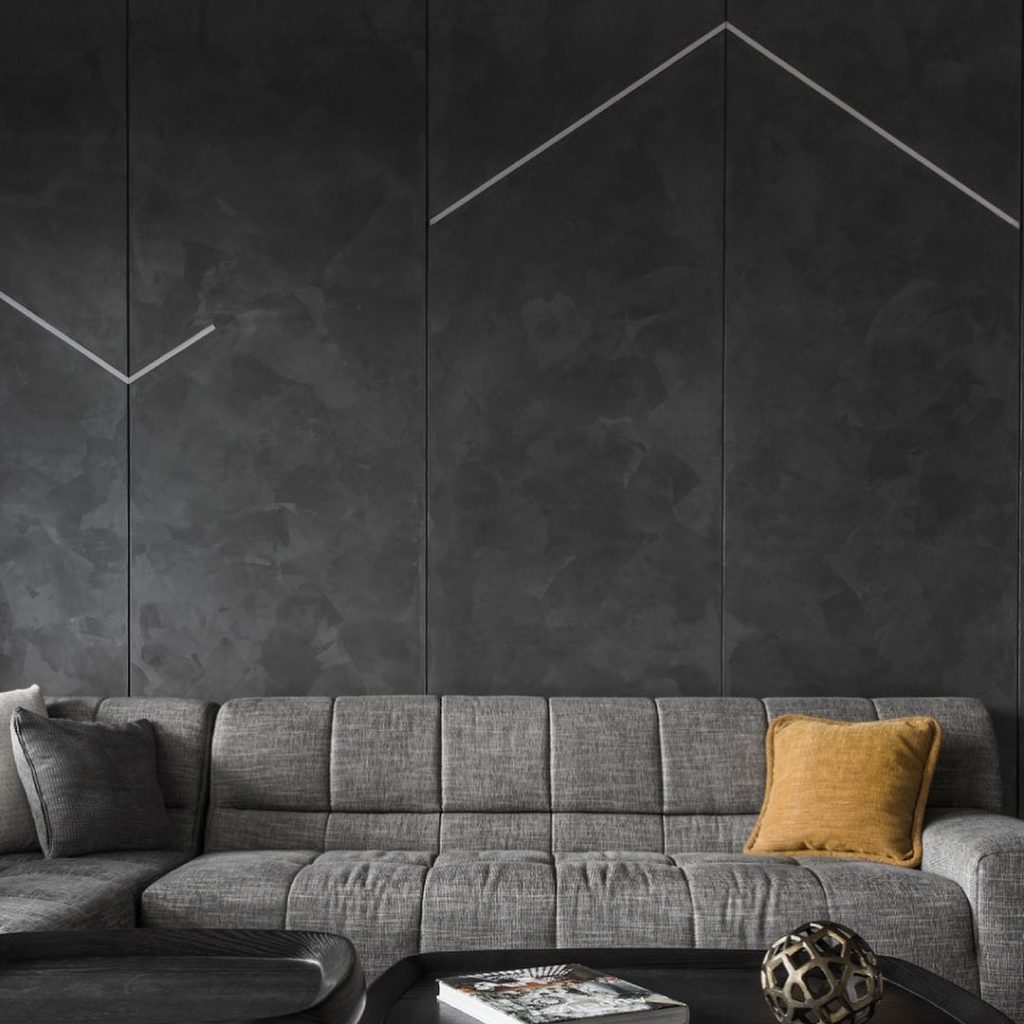
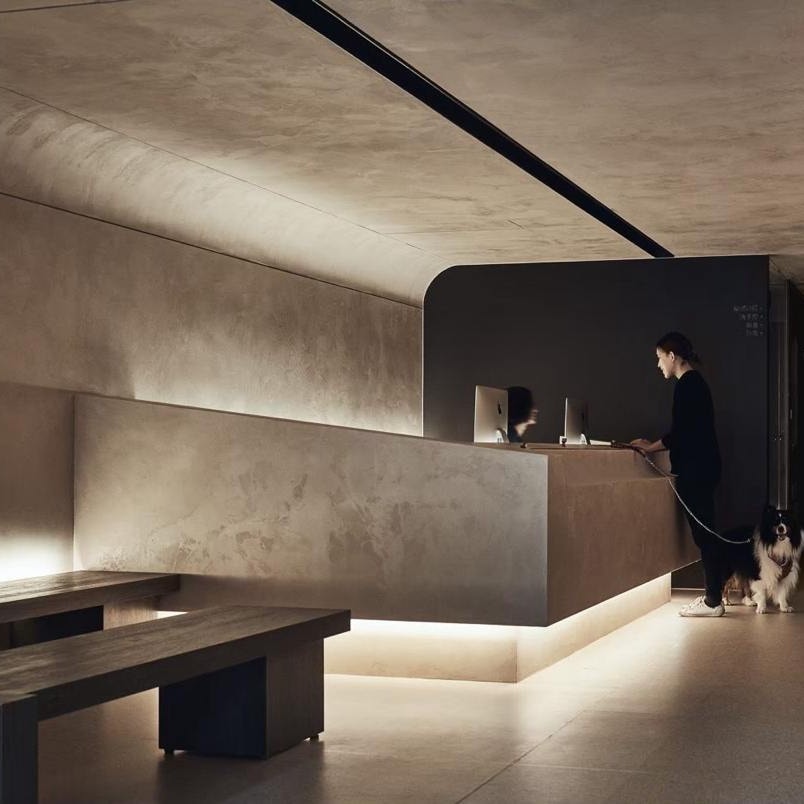
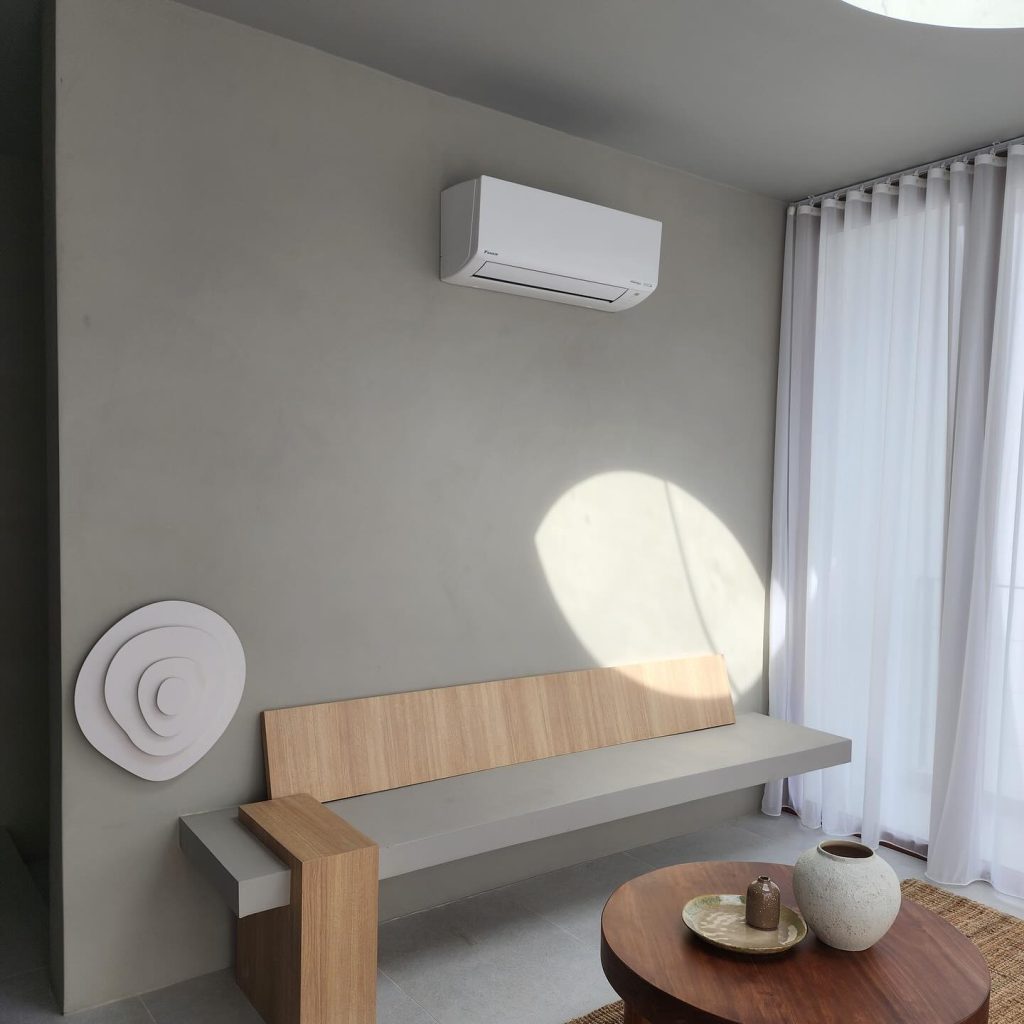
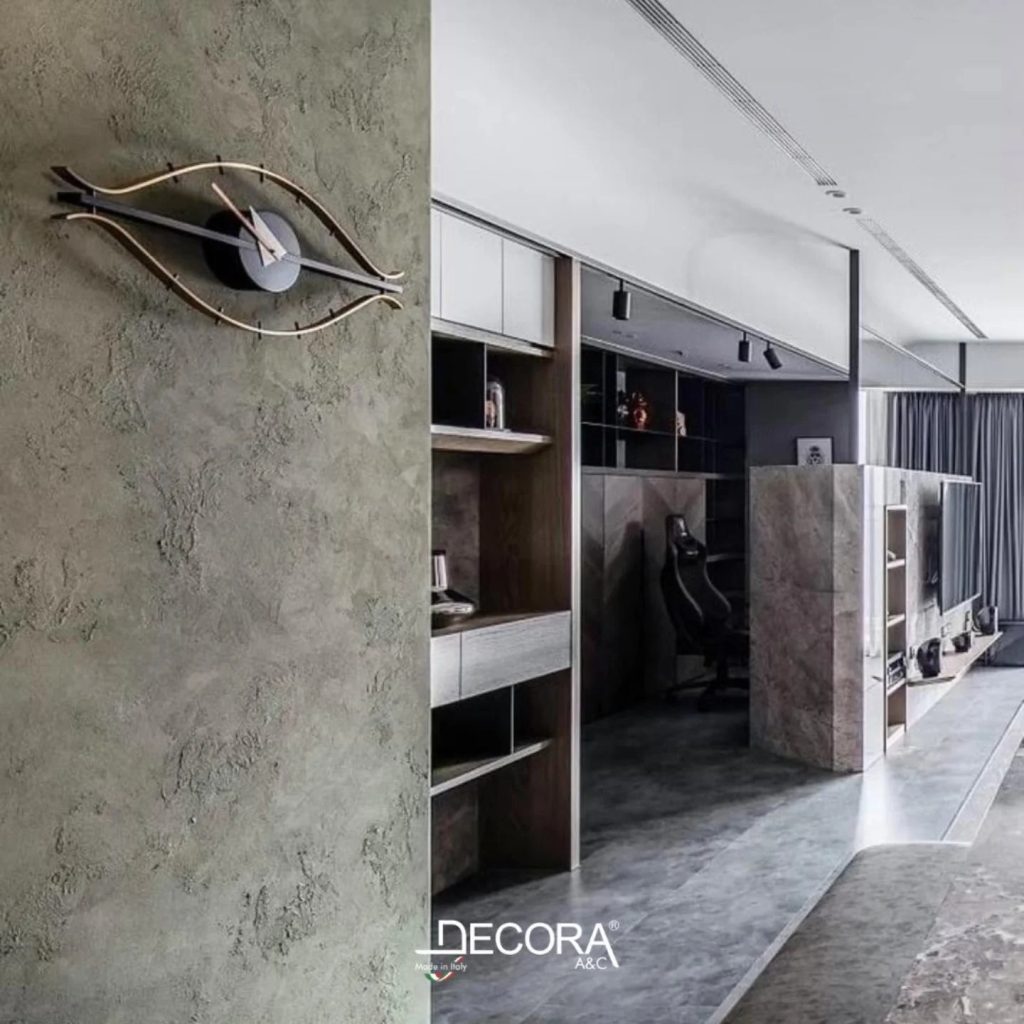
What Is Lime Plaster? A Natural, Breathable & Sustainable Wall Finish
Lime plaster dates back to ancient civilizations, where it was prized for its durability, breathability, and natural beauty. Today, it’s making a strong comeback in modern architecture and interior design, loved by architects, designers, and homeowners seeking sustainable, elegant, and high-performance wall finishes.
Unlike cement-based plasters, lime plaster is vapor-permeable, allowing walls to breathe and moisture to escape. This unique property makes it an ideal choice for tropical, humid, and coastal climates, helping prevent mold growth, regulate indoor humidity, and maintain a healthy, balanced indoor environment.
Its soft, hand-troweled textures and natural matte finish bring a sense of calm and timeless elegance, perfectly suited for Japandi interiors, Wabi-Sabi spaces, minimalist homes, and luxury residential projects. Beyond aesthetics, lime plaster contributes to sustainable living by being non-toxic, low-VOC, and carbon-absorbing as it cures – making it a green building material that combines both form and function.
Key Benefits of Lime Plaster
- 🌿 Natural mold & mildew resistance – Perfect for humid, tropical, and coastal environments
- 🌬 High vapor permeability — Supports breathable walls and a healthier indoor climate
- ✨ Elegant, hand-troweled finishes — Create organic, matte textures ideal for luxury interiors
- 🏠 Flexible & durable — Resists cracking and adapts to natural building movements
- ♻️ Non-toxic & sustainable — Low-VOC and environmentally friendly
- 🌎 Carbon-absorbing — Enhances eco-performance as it cures
Explore TESEO: The Perfect Lime Plaster for Modern, Eco-Conscious Design
For designers and homeowners seeking premium natural wall finishes, TESEO offers an artisan-quality, breathable lime plaster ideal for luxury interiors and exteriors. Its organic texture, soft depth, and eco-friendly composition make it a favorite for projects where sustainability meets timeless elegance.
What Is Cement Plaster? A Durable but Less Forgiving Material
Cement plaster, commonly made from Portland cement, sand, and water, is a fast-setting material used extensively in commercial and residential builds for its affordability and hardness.
However, cement is dense, rigid, and does not allow moisture to escape. In hot and humid climates, this can cause issues like trapped moisture, peeling paint, and eventual wall deterioration.
Limitations of Cement Plaster:
- Zero breathability – may trap humidity
- Prone to cracks and water damage
- Cold, flat visual finish
- High embodied carbon (not eco-friendly)
- Limited lifespan in wet or warm environments
Lime Plaster vs Cement Plaster: In-Depth Comparison Table
| Feature | Lime Plaster | Cement Plaster |
|---|---|---|
| Breathability | ✅ High – allows moisture to escape | ❌ None – traps humidity |
| Crack Resistance | ✅ Flexible, less prone to cracking | ❌ Rigid and brittle over time |
| Eco-Friendliness | ✅ Natural, low-carbon, VOC-free | ❌ High energy and CO₂ footprint |
| Durability | ✅ Long-lasting with self-healing | ✅ Durable but needs more upkeep |
| Visual Texture | ✅ Soft, matte, handcrafted | ❌ Flat, cold, utilitarian |
| Thermal Regulation | ✅ Helps moderate interior temperatures | ❌ No thermal benefits |
| Maintenance | ✅ Low – seal once and forget | ❌ Higher due to cracks and water issues |
| Ideal Use Cases | Interiors, bathrooms, eco homes, facades | Exteriors, garages, fast construction |
Why Lime Plaster Is the Best Choice for Interior Walls & Eco Homes
Healthier Indoor Air Quality
Lime plaster is naturally alkaline, making it antibacterial and VOC-free. It doesn’t off-gas or trap moisture, making it a healthy option for bedrooms, nurseries, yoga studios, and wellness spas.
Ideal for Humid & Tropical Environments
In humid climates like Southeast Asia, lime plaster is an excellent choice. It lets interior walls breathe, reducing condensation, humidity, and structural dampness.
Use in Bathrooms and Wet Areas
Sealed lime plaster can be used in bathrooms, powder rooms, and spas – especially when paired with water-resistant systems like Decora’s Diamond Floor System for a seamless, waterproof microcement finish.
When Cement Plaster Might Be Appropriate
- Exteriors in dry climates
- Basements and garages with no vapor concerns
- Speed-driven or low-budget projects
But in warm or humid regions, cement plaster often leads to cracking, damp spots, and costly repairs down the line.
Which Wall Finish Should You Choose?
If you’re after walls that breathe, last longer, and feel more organic and welcoming, lime plaster is your best bet. For timeless aesthetics, environmental responsibility, and superior comfort, it’s the top choice for today’s discerning homeowner, architect, or interior designer.
Choose Lime Plaster If You:
- Want breathable, mold-resistant walls
- Value eco-friendly, low-VOC materials
- Prefer soft, artisan-crafted finishes
- Live in a humid or coastal region
Choose Cement Plaster If You:
- Are on a tight budget or timeline
- Need a hard surface for utility areas
- Don’t require moisture regulation
Conclusion: Choosing the Right Wall Finish for Lasting Beauty and Performance
When it comes to lime plaster vs cement plaster, the best choice depends on your design goals, climate, and project requirements. If you want breathable, eco-friendly, and timeless finishes that age beautifully, lime plaster offers unmatched elegance and sustainability. On the other hand, cement plaster provides strength and cost-efficiency, making it suitable for high-impact areas and budget-driven projects.
For homeowners, architects, and designers aiming for luxury interiors with natural textures and superior performance, Decora’s artisan-grade solutions – like TESEO lime plaster and premium microcement finishes – deliver both style and durability.
Choosing the right finish is more than a design decision – it’s an investment in your space’s longevity, comfort, and aesthetic appeal.
[component file=”contact-us”]
.