

Why Proper Surface Preparation Matters
When it comes to achieving flawless, long-lasting results with lime plaster or microcement finishes, one crucial step is often overlooked: wall surface preparation. Whether you’re designing a sleek, modern bathroom or transforming an aged façade with rustic charm, the performance and appearance of natural wall finishes depend heavily on how well the substrate is prepared.
At Decora A&C, we’ve seen firsthand how proper preparation ensures adhesion, durability, and beauty – making it a vital step in every project. This comprehensive guide will walk you through everything you need to know to prepare your walls like a pro, ensuring high-quality, seamless results that stand the test of time.
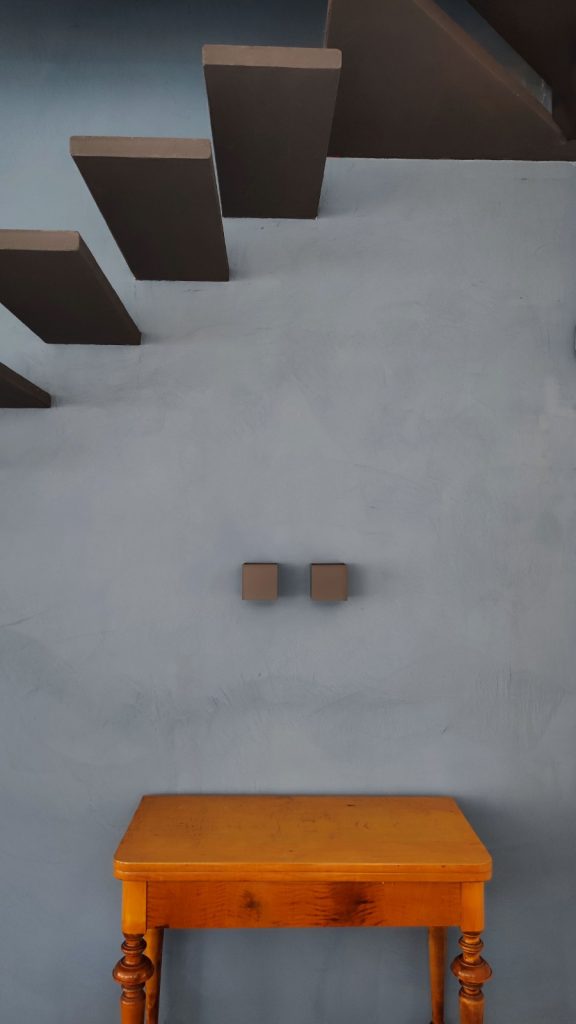

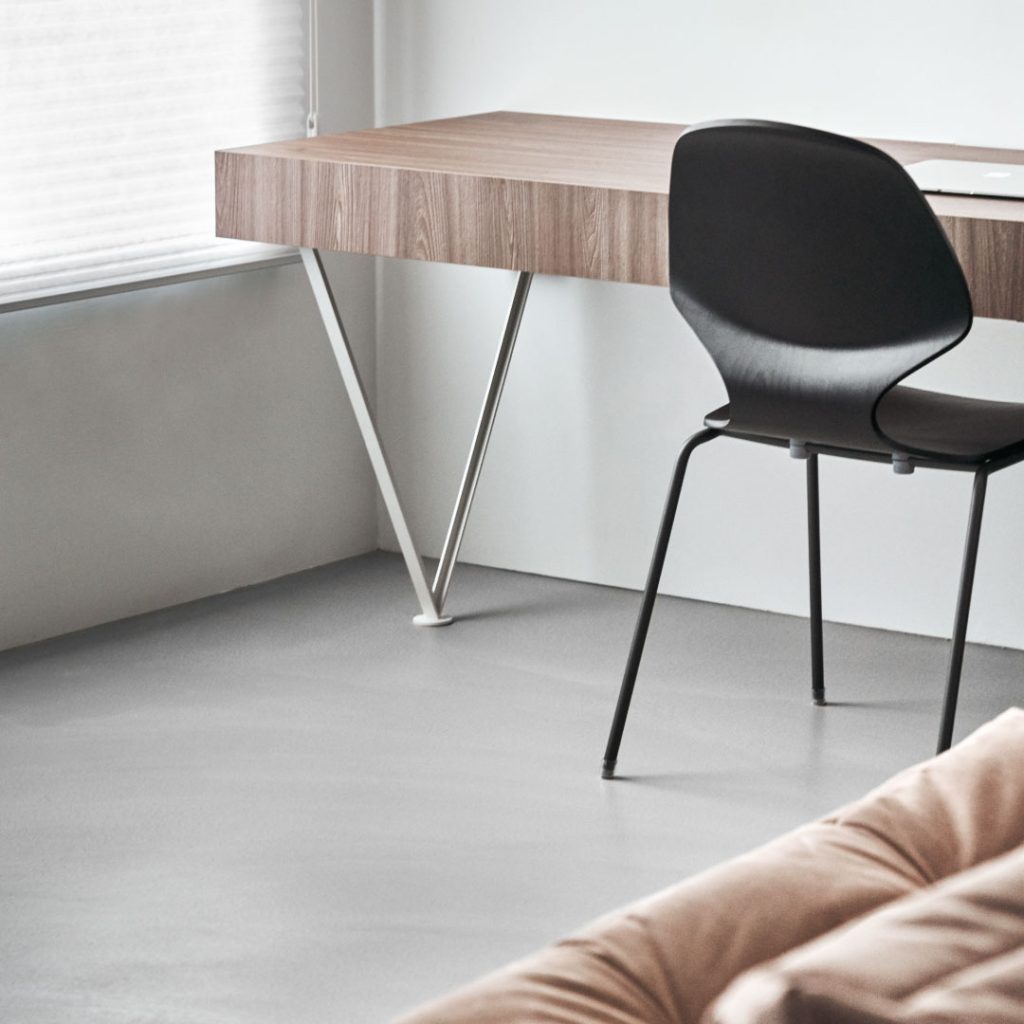
Why Choose Lime Plaster or Microcement?
Before diving into prep work, it’s important to understand the nature of these materials:
- Lime Plaster: A breathable, mineral-based finish used for centuries in Mediterranean and European architecture. It’s natural, sustainable, and develops character over time, making it perfect for biophilic and traditional interiors.
- Microcement: A modern, polymer-enhanced cement coating offering seamless, waterproof surfaces-ideal for contemporary interiors, bathrooms, kitchens, and high-traffic areas.
Both materials require properly prepared substrates to adhere and cure correctly. Failing to prepare the surface can lead to cracking, bubbling, peeling, or discoloration over time.
Step-by-Step Guide to Surface Preparation
1. Evaluate the Wall Condition
Start by examining the existing wall surface. Identifying issues early will help prevent future failures.
| Condition | Solution |
|---|---|
| Cracks and Chips | Fill with mineral-based filler or patching compound |
| Dampness or Mold | Identify source and allow walls to dry fully; treat with anti-mold primer |
| Flaking Paint or Loose Material | Scrape off completely and sand surface until solid |
| Powdery or Chalky Surface | Use a stabilizing primer or fixative |
Pro Tip: Test adhesion by applying tape to the surface. If it peels off loose materials, further sanding or cleaning is required.
2. Clean and De-Grease the Surface
Dust, grime, and grease reduce adhesion. Cleaning is essential, especially in kitchens and bathrooms.
- Use a soft brush or vacuum for loose dust
- Wash walls with a mild, non-oily detergent
- Rinse thoroughly with clean water
- Let walls dry completely (ideally 24–48 hours)
Avoid using strong chemicals or soap residues that could interact negatively with lime or microcement.
3. Choose the Right Substrate Primer
Depending on your chosen finish and surface type, use a bonding primer or mineral primer for optimal results.
| Surface Type | Recommended Primer |
|---|---|
| Gypsum board | Mineral primer or bonding bridge |
| Cement or concrete | Deep-penetrating mineral primer |
| Painted walls | Adhesion-promoting primer after sanding |
| Wood or plywood | Special bonding primer compatible with microcement |
🔗 Use Decora A&C’s Primers for Maximum Compatibility
4. Leveling the Surface (If Needed)
Even, flat walls ensure a consistent texture and final finish. Any bumps or unevenness can show through thin, seamless materials like lime plaster or microcement.
How to Level Walls:
- Apply lime-compatible leveling compound using a wide stainless steel trowel
- Apply in thin, even coats
- Allow each coat to dry completely
- Sand lightly between layers
Note: Avoid gypsum-based fillers when using lime plaster as it may cause chemical incompatibility.
5. Create the Ideal Absorption Level
Lime plaster and microcement require specific levels of wall porosity to properly adhere and cure.
- Overly absorbent walls can cause rapid drying and poor adhesion. Mitigate with a water-based primer.
- Non-absorbent or sealed walls may require roughening or a bonding bridge to encourage grip.
Moisture content in the wall should also be checked. Use a moisture meter to ensure levels are below 5% before application.
6. Additional Tips Before Application
- Ensure ambient temperature is between 15–25°C
- Protect adjacent surfaces like trim or flooring with painter’s tape and plastic sheets
- Stir and prepare all materials according to manufacturer recommendations
- Perform a test application on a small area if unsure
Common Mistakes to Avoid
| Mistake | Impact |
|---|---|
| Skipping primer | Poor adhesion, peeling, blistering |
| Applying on wet/damp wall | Leads to mildew or efflorescence |
| Using gypsum filler with lime | Causes cracking and poor bonding |
| Not removing old paint | Inhibits proper contact with surface |
| Applying on a dirty or oily surface | Leads to early failure of finish |
Application Timeline: How Long It Takes
| Task | Drying Time (Approx.) |
|---|---|
| Cleaning and drying wall | 24–48 hours |
| Primer drying | 4–8 hours |
| Leveling compound | 12–24 hours per coat |
| Surface readiness for finish | 48–72 hours |
Final Thoughts: Build the Right Foundation
No matter how premium your finish is, it’s only as strong as the surface beneath it. Taking the time to properly prepare your walls before applying lime plaster or microcement ensures a stunning, long-lasting outcome.
At Decora A&C, we provide everything you need for each step of the process-from mineral primers to artisan-grade lime and microcement finishes.
[component file=”contact-us”]